How Many Sessions of Fotona Laser Treatments Do You Need?

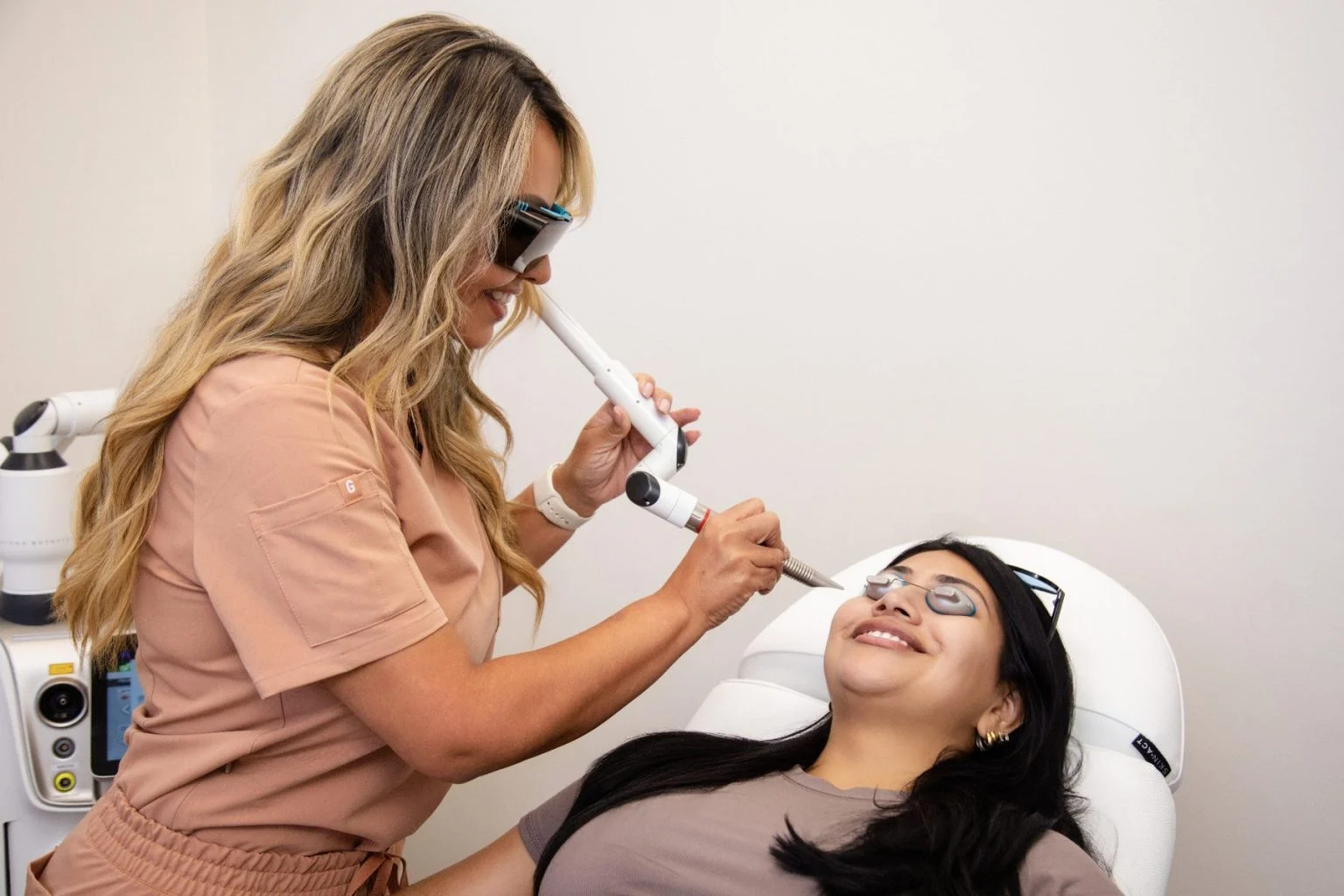
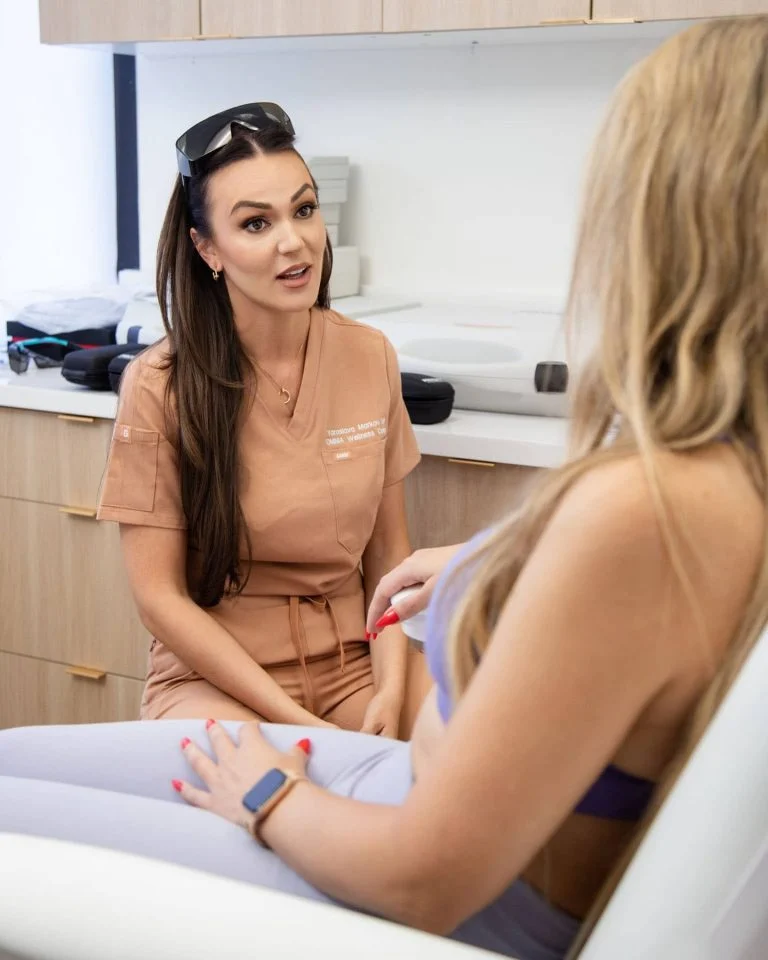
If you are considering Fotona Laser Treatments, the first question is usually not about the technology itself. It is much simpler and much more practical: how many appointments am I signing up for?
That is the right question to ask, because with laser medicine and aesthetics, the answer is rarely one-size-fits-all. Two people can book the same treatment name and walk away with completely different treatment plans. One may need a single session for a specific concern, while another may need a series spaced over several months to get meaningful improvement. The gap usually comes down to the condition being treated, the severity of the issue, skin quality, healing response, and expectations.
Fotona systems are used across several categories, including skin resurfacing, acne scar revision, pigmentation support, vascular concerns, tightening, snoring support, gynecologic procedures, hair reduction in some settings, and more. That broad range is exactly why session counts vary so much. Asking how many Fotona Laser Treatments you need without naming the concern is a bit like asking how many physical therapy visits you need without saying whether you sprained an ankle or had back surgery.
Still, there are patterns. Experienced clinics tend to recommend treatment in ranges, and those ranges are useful if you want to plan your time, budget, and downtime.
Why the number of sessions varies so much
Laser treatment is not a product you simply apply. It is a controlled stimulus. The laser creates heat, micro-injury, or tissue remodeling in a very specific way, and your body does the rest over time. That last part matters. Results depend not just on what happened in the treatment room, but on how your skin or tissue responds in the weeks that follow.
A patient with early textural changes, mild laxity, and good collagen reserves often improves faster than someone with long-standing acne scars, sun damage, and thinner, slower-healing skin. Age can play a role. So can smoking history, sun exposure, hormonal changes, active acne, inflammation, and whether the patient is strict about aftercare.
I have seen this play out repeatedly in clinic settings. The patient who says, “I only want one session, but I want dramatic change,” is usually colliding with biology, not with the provider’s pricing model. Some results can be impressive after one visit, particularly for glow, mild tightening, or superficial rejuvenation. Deeper change tends to come from a series.
There is also the issue of endpoint. If your goal is to look fresher for an event, one session may be enough. If your goal is to soften years of acne scarring or improve vaginal laxity symptoms after childbirth, that is a different conversation entirely.
The type of Fotona treatment matters more than the brand name
Fotona is the platform, not a single treatment. Different handpieces, settings, pulse modes, and wavelengths are used for different goals. A smooth, non-ablative rejuvenation treatment behaves differently from an ablative resurfacing session. A tightening protocol behaves differently from a scar-remodeling protocol. That is why “How many sessions do I need?” should always be answered in the context of the exact treatment plan.
Broadly speaking, clinicians usually think in one of three patterns.
A single-session strategy is common when the treatment is relatively aggressive, when the patient wants a modest refresh, or when the concern is limited and targeted.
A short series, often around three sessions, is common for collagen stimulation, tightening, internal rejuvenation protocols, or gradual skin improvement.
A longer series, sometimes four to six or more, is often needed for chronic concerns such as acne scars, vascular changes, recurring pigment issues, or conditions that respond best to repeated stimulation rather than one strong treatment.
That does not mean more is always better. Laser plans should be responsive, not automatic. Good providers reassess after each visit. If your skin reaches the desired endpoint earlier than expected, the plan can stop. If your tissue response is slower, the plan may be extended or adjusted.
Typical session ranges for common concerns
Here is where practical estimates help. These are not guarantees, but they are realistic starting points used in many clinics.
For mild skin rejuvenation, including brightening, refinement of pores, and general texture improvement, many people start with three sessions spaced about three to four weeks apart. Some notice visible improvement after the first treatment, but the cumulative effect is usually better after a small series.
For skin tightening protocols, particularly those marketed for collagen remodeling or lifting support, three to four sessions is a common recommendation. The reason is straightforward: collagen remodeling is gradual. One treatment can start the process, but repeated stimulation often gives a steadier and more convincing result.
For acne scars, the range tends to be wider. Mild scarring may improve after three sessions. Moderate to deeper scars often need four to six, and sometimes more if the scar pattern is mixed, with rolling, boxcar, and textural irregularities all present together. Scars that have been present for years nearly always take patience.
For more intensive resurfacing, where the treatment is ablative or more aggressive, fewer sessions may be needed, sometimes just one or two, because each appointment delivers a stronger result. The trade-off is more downtime and stricter aftercare.
For pigmentation and sun damage, three to five sessions is a common range, but this category is tricky. Pigment can lighten and then recur with sun exposure, hormones, or heat. In other words, the initial course may not be the whole story. Maintenance often matters as much as the first round.
For intimate wellness protocols using Fotona systems, many practices recommend about three sessions, often spaced monthly. Some patients report symptom relief earlier, while others need the full series before judging their result. Maintenance sessions may later be suggested once or twice a year, depending on the indication.
For snoring-related laser protocols in appropriate candidates, a series of three is often cited by clinics, followed by periodic maintenance. Results can vary significantly because anatomy, weight changes, sleep quality, and nasal issues all affect the outcome.
One session versus a series
Patients often ask whether they can do one stronger treatment instead of several lighter ones. Sometimes yes, sometimes no.
A single more aggressive session may make sense when the concern is primarily surface-level and the patient can tolerate downtime. For example, someone with photodamage, fine lines, and uneven texture who is willing to spend several days healing may be a candidate for a stronger resurfacing approach. That can produce a more dramatic visible reset.
On the other hand, serial treatments are often safer and more predictable for people with sensitive skin, darker skin tones that need a more cautious approach, active lifestyles that do not allow much downtime, or goals that involve gradual collagen remodeling rather than immediate peeling or ablation.
There is also a psychological advantage to a series. It gives the provider room to evaluate your response and https://jaidenpzjn084.timeforchangecounselling.com/fotona-laser-treatments-for-mature-skin-what-to-know adjust settings based on real outcomes rather than guesswork. That can reduce the chance of overtreatment. In experienced hands, restraint is often what produces the best long-term aesthetic result.
The biggest mistake people make when counting sessions
The most common mistake is treating session count as the whole decision, when the more useful question is total treatment strategy.
I have seen patients compare clinics like this: Clinic A says three sessions, Clinic B says six, so Clinic A must be better. Not necessarily. Those plans may be using different settings, different levels of intensity, different treatment coverage, or a completely different endpoint. One provider may be planning a conservative protocol with little downtime. Another may be addressing multiple layers of tissue and a more ambitious cosmetic goal.
A second mistake is assuming that visible change after one session means you no longer need follow-up. Early improvement can be real, but some of it may be temporary swelling, surface smoothing, or fresh exfoliation. The sturdier changes, especially collagen-related ones, take time. Stopping too early can leave you with a result that looked promising at week two and underwhelming by month three.
What your provider is evaluating before recommending a number
A strong consultation does not just assign a package. It looks at several variables at once.
Your provider is checking the depth and type of the problem. Fine lines, volume loss, pigment, redness, pores, scars, and laxity are not interchangeable, even if they all fall under “skin aging” in casual conversation.
They are also considering your baseline skin behavior. Do you inflame easily? Have you had post-inflammatory hyperpigmentation before? Are you prone to cold sores? Do you tan readily? Is your skin barrier currently compromised from exfoliants, acne medication, or overuse of actives?
Expectations matter too. A patient hoping to look a little fresher may be thrilled after two or three sessions. A patient expecting old acne scars to disappear completely may still be disappointed after six very good treatments, because improvement and erasure are not the same thing.
Timing can affect the recommendation. If you have a wedding in six weeks, the plan may be conservative. If you have six months and flexible downtime, a more intensive route may be possible.
Session spacing is part of the answer
When people ask how many Fotona Laser Treatments they need, they usually focus on the number of visits, but spacing matters nearly as much.
For many facial treatments, sessions are commonly spaced about three to six weeks apart. That allows your skin to recover and gives enough time to assess the early phase of remodeling. Some protocols, especially for deeper remodeling or body applications, may be spaced longer. Very aggressive resurfacing may require several months before repeating.
Trying to compress treatments too tightly usually does not accelerate results. In some cases, it simply increases irritation and makes it harder to judge what is actually helping. Laser is one of those fields where impatience tends to cost more than it saves.
A realistic timeline for a three-session facial series might be two to three months from first treatment to last, followed by another two to three months before the final collagen response is fully visible. That is why patients planning around a milestone event should start earlier than they think.
Maintenance is different from initial treatment
This distinction gets lost all the time.
Initial treatment is the series required to create change. Maintenance is what you do to preserve that change as aging, sun exposure, movement, hormones, and daily life continue. A patient may “need” three sessions to get the result they want, then one session every six to twelve months to maintain it. Another patient may finish a resurfacing course and not repeat treatment for years.
Neither approach is wrong. It depends on the original problem and how aggressively the skin is aging or being challenged.
For acne scars, maintenance may not be the right word at all. Scar revision is usually finite, although some patients return later for additional refinement. For pigment and redness, maintenance is more common because recurrence is common. For tightening treatments, many clinics suggest periodic top-ups because collagen support naturally declines with time.
Signs you may need fewer sessions than expected
Not everyone needs a full package. In some cases, the treatment response is better than predicted, especially in younger patients with mild concerns and strong healing capacity.
You may end up needing fewer sessions if your issue is superficial, your skin quality is already good, you are very consistent with sun protection and aftercare, and the treatment is paired with the right skincare. Patients who avoid smoking, manage inflammation, and protect their results tend to hold onto improvements better.
It also helps when the goal is precise. “I want my skin to look smoother and brighter” is often easier to achieve than “I want to look ten years younger.”
Signs you may need more sessions
Some situations reliably demand more patience.
Deeper acne scarring is one. Longstanding pigment, particularly when hormones play a role, is another. Significant laxity, mature sun damage, and combined concerns usually require a broader plan. Sometimes the skin is not the only issue. A face that looks tired may be affected by volume loss, muscle movement, and skin texture all at once. In that case, laser alone may improve part of the picture, but not all of it.
That is not a failure of the treatment. It is a reminder that good aesthetic medicine is selective. The best providers know when laser is enough and when it should be combined with other approaches.
Questions worth asking before you commit
If you are sitting in a consultation and trying to judge whether the recommended number of sessions makes sense, ask a few specific questions. Not vague ones, but practical ones.
- What result should I expect after one session, and what additional improvement usually comes with later sessions?
- Is this plan designed for maximum change, minimal downtime, or a balance of both?
- How will you decide whether I truly need all recommended sessions?
- What kind of maintenance, if any, is typical after the initial course?
- Are there reasons my skin type or condition might require a slower or longer plan?
Those questions usually tell you a lot about the provider’s judgment. A thoughtful answer tends to include nuance. A weak answer tends to sound rehearsed or overly certain.
Downtime changes the math
A three-session plan with almost no downtime may be easier to live with than one aggressive session that leaves you red, swollen, flaky, or socially out of circulation for a week. Neither is inherently better. It depends on your schedule, skin tolerance, and priorities.
This is especially relevant for working professionals, parents, and anyone whose daily routine makes recovery complicated. I have known patients who chose more sessions specifically because they could not disappear from meetings or school pickup for several days. I have also known patients who preferred one decisive treatment over multiple office visits because they travel frequently or live far from the clinic.
When you weigh “how many sessions,” you should also weigh how disruptive each session will be.
Cost per session is not the whole cost
This is another area where people get tripped up. A lower price per session does not necessarily mean lower overall value. Three well-planned treatments that target the problem accurately may be more economical than six treatments that are too gentle or poorly matched to the issue. On the other hand, a more expensive aggressive treatment may not be ideal if it carries downtime you cannot accommodate or risk your skin type does not justify.
The better way to think about cost is total path to the result. Ask what the provider is trying to accomplish, over what timeline, with what level of confidence. That gives you something solid to compare.
A realistic way to think about your own treatment plan
If you want a practical framework, start here.
For mild rejuvenation or glow, expect around one to three sessions.
For moderate improvement in texture, tone, or tightening, expect around three to four.
For scars, deeper resurfacing goals, or more stubborn concerns, expect four to six or a customized plan that may go beyond that.
Then add one more layer of realism: your provider may not know the final number on day one, and that is not a red flag. In many cases, it is the mark of an honest clinician. Good treatment plans are often set in phases. Start with a sensible series, reassess, then decide whether the endpoint has been reached.
The answer most patients actually need
Most people do not need an exact number before they begin. They need a range, a rationale, and a provider who can explain why that range fits their skin and goals.
For many common aesthetic uses of Fotona Laser Treatments, three sessions is a very common starting point. That is enough to judge response, build collagen momentum, and create visible improvement in many patients. Some will be happy after one or two. Others, especially those treating scars, laxity, or more advanced damage, will need more.
The best results usually come from matching the plan to the problem rather than chasing the smallest number of appointments. Laser treatment is not a race to finish. It is a controlled process of improvement, and the body sets part of the schedule whether we like it or not.
If you are deciding whether to move forward, ask for a realistic range, ask what success looks like after each stage, and ask how the plan would change if your skin responds faster or slower than expected. That kind of conversation tells you more than any universal session count ever will.
OMNIA Wellness Center
Address: 16430 Ventura Blvd Ste 207, Encino, CA 91436
Phone number: +18183868511
FAQ About Fotona Laser Treatments
What is a Fotona laser good for?
A Fotona Laser system is a versatile, dual-wavelength medical laser used primarily for non-surgical skin tightening, anti-aging rejuvenation, and dermatological treatments.
How much does the Fotona laser cost?
The cost of a Fotona laser depends heavily on whether you are looking to purchase a laser machine for a medical practice or are a patient seeking a laser treatment at a medspa.
Is a Fotona laser worth it?
A Fotona laser treatment is generally worth it if you want non-surgical skin tightening, improved texture, and collagen stimulation with very little downtime.