Fotona Laser Treatments for Preventive Anti-Aging Care
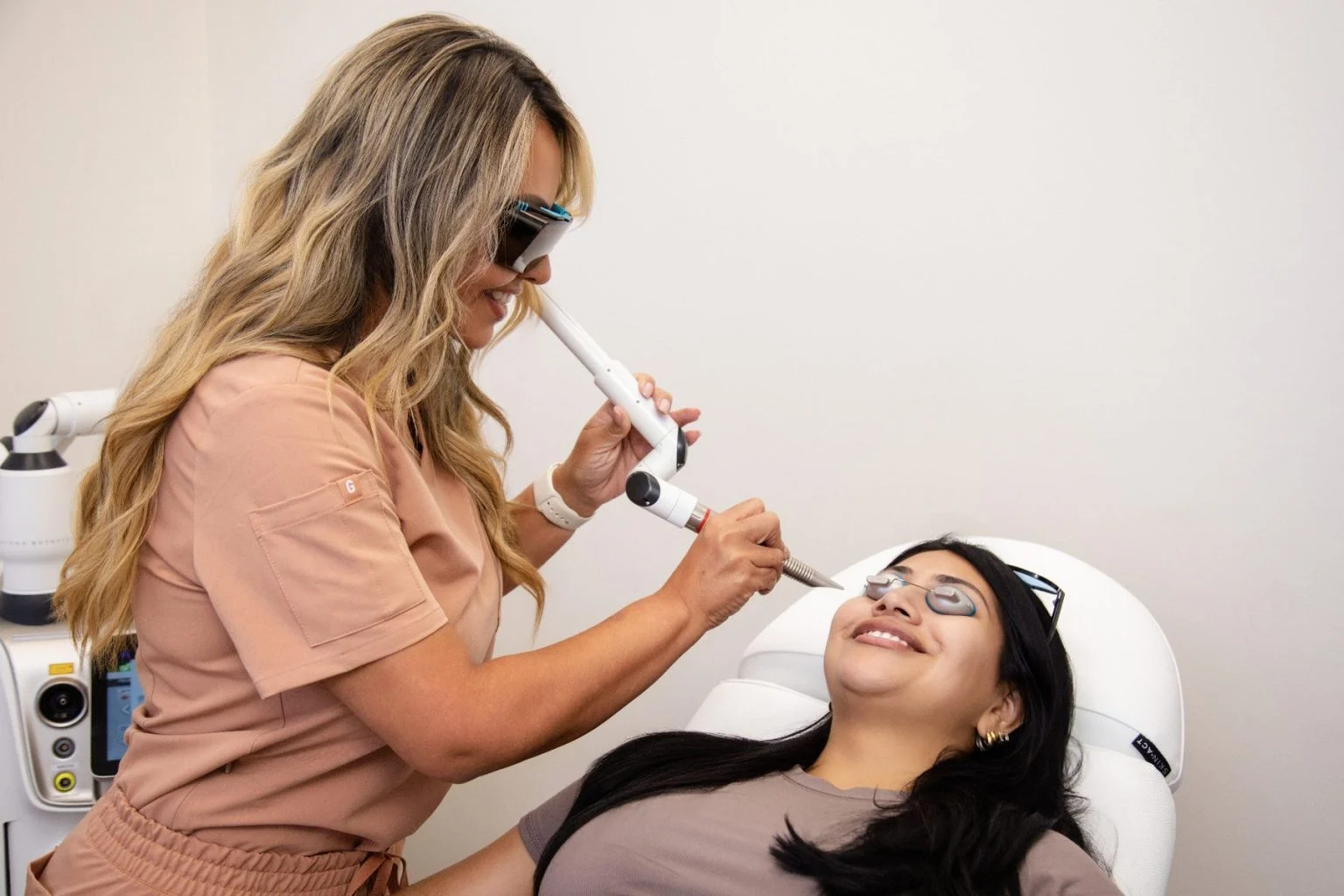
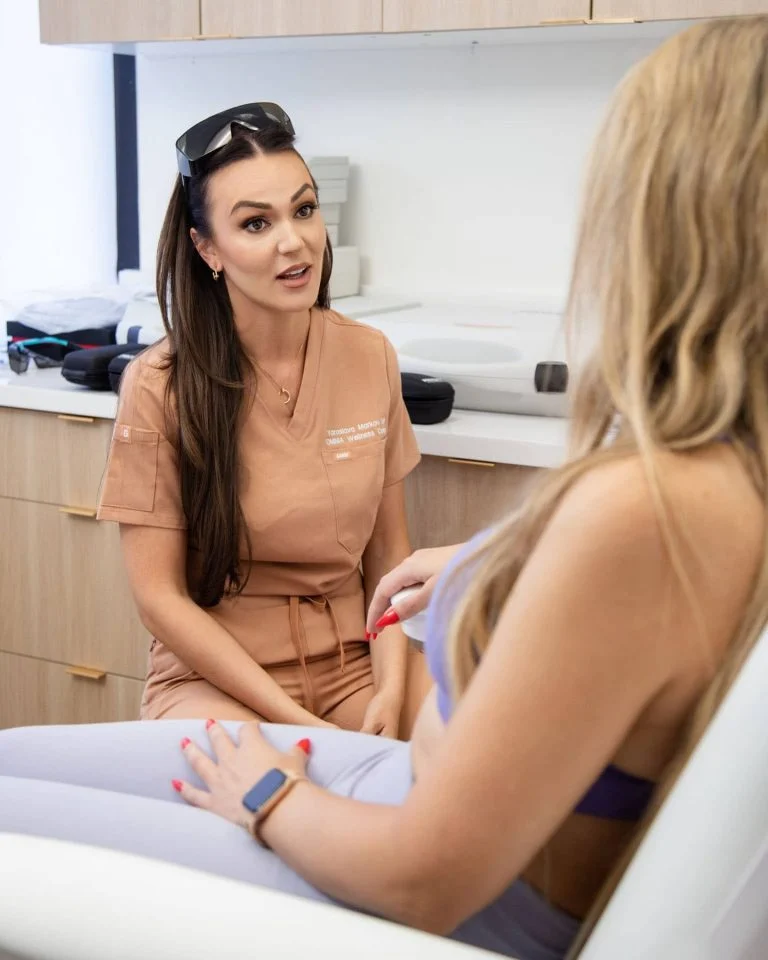
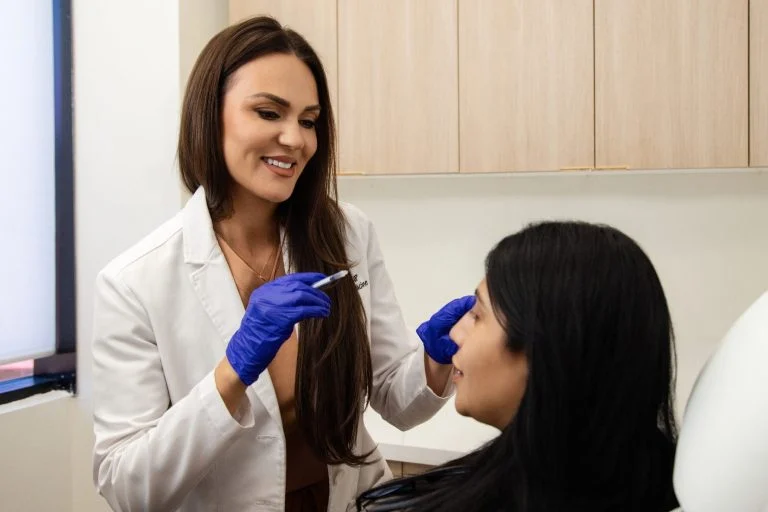
Preventive anti-aging care has changed in a meaningful way over the past decade. The focus is no longer limited to correcting deep wrinkles, loose skin, or sun damage after those changes are firmly established. More patients now want to preserve skin quality before obvious aging sets in, or at least before it becomes difficult to reverse without more aggressive procedures. That shift has made energy-based treatments, especially laser platforms with flexible settings, a much more practical part of early skin maintenance.
Among the options used in aesthetic practice, Fotona Laser Treatments have earned attention for exactly this reason. They can be adjusted across a wide range of intensities, depths, and treatment goals. That matters when the aim is prevention rather than rescue. Preventive care requires a different mindset. The goal is not to create the most dramatic before-and-after photo in one session. The goal is to support collagen remodeling, improve tone and texture, maintain elasticity, and address subtle changes while they are still subtle.
That distinction shapes everything, from how treatment plans are designed to how results are judged.
What preventive anti-aging care actually means
A lot of people hear the phrase “preventive anti-aging” and assume it means treating skin that already looks young for no reason. In practice, it is more grounded than that. Skin begins to change long before those changes become obvious in a mirror. Collagen production slows. Fine lines form from repetitive facial movement and dehydration. Mild textural roughness develops from sun exposure, pollution, and normal cell turnover slowing with age. Pores can look more visible. The skin may lose some of the even reflection that people associate with freshness.
Preventive treatment is about intervening during that earlier phase. It is often appropriate for patients in their late twenties, thirties, and forties, though age is a poor substitute for skin assessment. A person in their early thirties with high cumulative sun exposure may benefit more from treatment than someone in their forties who has taken exceptional care of their skin and avoids ultraviolet damage.
The strongest preventive plans are usually conservative and consistent. Think of them less like a renovation and more like maintenance. A roof lasts longer when minor wear is addressed early. Skin behaves in a similar way. If collagen support, pigment management, and surface renewal happen in measured cycles, patients often age more gradually and need fewer corrective procedures later.
Why Fotona stands out in this category
Fotona is not one single laser treatment in the way many patients imagine. It is a platform used for different protocols, commonly involving Er:YAG and Nd:YAG wavelengths, each selected for specific tissue effects. That versatility is one reason clinicians use it for preventive anti-aging care. The same system can support surface rejuvenation, deeper thermal tightening, pigment blending in the right candidate, and textural refinement, depending on settings and technique.
For preventive care, versatility matters because early aging is rarely just one issue. Most patients are not walking in with a single complaint. They may describe their skin as tired, less firm, more uneven, or “not bouncing back the same way.” Those descriptions often reflect multiple small changes happening at once. A platform that can address superficial and deeper concerns in a layered, controlled way fits that reality better than a one-note treatment.
Another advantage is that some Fotona protocols are designed to provide visible improvement with less downtime than fully ablative resurfacing. That does not mean no downtime, and it certainly does not mean no risk, but it does make it easier to integrate treatment into real life. Preventive care works best when patients can stay consistent. Few people commit to a maintenance plan if every session requires a week hidden at home.
The difference between prevention and over-treatment
One of the most important clinical judgments in aesthetics is knowing when not to do too much. Preventive care can be smart, but it can also become counterproductive if intensity outpaces need. Younger patients, and even many middle-aged patients with relatively healthy skin, do not necessarily benefit from aggressive resurfacing just because they can tolerate it.
With Fotona Laser Treatments, the better approach is often strategic restraint. Lower-intensity sessions spaced appropriately can stimulate change without exhausting the skin barrier or creating unnecessary recovery. There is a tendency in cosmetic medicine to chase drama. Patients may arrive after seeing social media clips that imply stronger is always better. It rarely is.
A practical example helps here. Consider a patient in her mid-thirties with early under-eye crepiness, mild acne scarring on the cheeks, slight textural dullness, and no major laxity. A preventive plan may involve a series of lighter resurfacing or tightening sessions over several months, paired with daily sunscreen, topical retinoids if tolerated, and pigment-safe post-treatment care. That approach typically gives steadier, safer improvement than one very aggressive session aimed at “fixing everything.” The skin looks healthier, not overworked.
How Fotona Laser Treatments support early skin aging concerns
Preventive anti-aging care works when it addresses the processes behind visible change, not just the visible change itself. Fotona systems are often used with that principle in mind.
Thermal stimulation is a major part of the equation. Controlled heat delivered to targeted layers of tissue can encourage collagen remodeling. Patients often describe this in simple terms as a “tightening effect,” but the more useful explanation is that heat can prompt the skin to behave more like younger skin in how it repairs and organizes structural proteins. The effect is not identical to surgery, and it should never be presented that way. Still, for mild laxity and early textural decline, collagen stimulation can be meaningful.
Surface renewal also plays a role. Depending on the protocol, Er:YAG settings may be used to improve roughness, fine lines, enlarged pores, and general skin dullness. These are some of the first visible signs of aging, especially in patients with high sun exposure or a history of inconsistent skincare. Light resurfacing can freshen the epidermal surface and improve how skin reflects light, which often makes people look more rested even before deeper changes become obvious.
There is also value in treating regions that reveal age early but are often neglected. Around the mouth, the lower eyelids, the jawline, and the neck tend to show subtle changes before patients are ready to think of themselves as needing “anti-aging treatment.” In well-selected cases, these areas respond nicely to measured laser work, particularly when expectations are realistic.
The patients who tend to benefit most
The best candidates are not necessarily the youngest, the busiest, or the most eager. They are the ones with early signs of change, reasonable expectations, and a willingness to maintain results through daily skin habits.
Patients with mild textural irregularity, early fine lines, slight skin laxity, enlarged pores, or a gradual loss of radiance often do well. Those who have spent years in the sun without major pigment disorders may also benefit, assuming the settings are chosen appropriately for their skin type and history. Preventive laser work can be especially useful for people who are not ready for injectables, do not yet need surgery, or want a broader improvement in skin quality rather than a targeted change in one wrinkle or fold.
The less ideal candidates are just as important to identify. Someone with unrealistic expectations, active inflammatory skin disease, recent tanning, poor adherence to sun protection, or a tendency toward post-inflammatory hyperpigmentation may need a different plan or a slower approach. Darker skin tones can absolutely be treated in many cases, but treatment selection, parameter choice, and aftercare need expertise. Preventive care should reduce future problems, not create new ones.
Timing matters more than people think
There is no perfect age to begin, but there is a right time in a patient’s aging pattern. Starting too late means the skin already needs corrective treatment. Starting too aggressively too early can waste time, money, and tissue tolerance.
The patients who get the best long-term value from preventive laser care usually begin when they first notice persistent changes that do not respond to skincare alone. That could be a slight creasing around the eyes that remains even on well-rested days, cheeks that feel rough despite exfoliation, or a jawline that looks a little less crisp in certain lighting. Those are often the moments when a clinician can do a lot with modest intervention.
Season matters too. Many practices prefer initiating resurfacing-oriented laser treatments during periods of lower sun exposure, especially for patients who are outdoors often. Fall and winter are common starting points for that reason. It is not that treatment cannot happen in sunnier months, but adherence to ultraviolet avoidance becomes much more important, and not everyone is realistic about that.
What a preventive treatment plan can look like
Most preventive plans are built in phases. The first phase improves baseline skin quality. The second supports collagen remodeling over time. The third is maintenance.
In real-world practice, a patient might have an initial series of treatments spaced several weeks apart, then transition to maintenance every few months depending on response, age, skin behavior, and lifestyle. A person with early aging, excellent sunscreen use, and minimal sun exposure may need less frequent upkeep than someone who exercises outdoors daily and travels often.
This is where patient education matters. Laser treatment does not replace skincare. It amplifies what good skincare can achieve and helps where skincare alone has limits. Patients who use broad-spectrum sunscreen every day, avoid frequent tanning, keep the skin barrier stable, and follow post-procedure instructions almost always do better than those who view the procedure as a stand-alone fix.
What the appointment and recovery usually feel like
One reason Fotona Laser Treatments fit preventive care is that they can be tailored to different tolerance levels and downtime preferences. Still, experience varies based on the protocol used.
Some sessions feel warm and prickly, with brief moments of sharper heat in thinner skin areas. Others, particularly more resurfacing-oriented settings, can feel intense enough that topical anesthetic or other comfort measures are useful. Most patients tolerate the treatment well when expectations are set properly. Trouble usually starts when they have been told it is “painless” or “like a facial.” It is neither. It is a medical treatment, and it should be framed honestly.
After treatment, patients may see redness, swelling, dryness, a sandpaper-like texture, or a bronzed look before the skin settles. In lighter sessions this can be brief. In stronger sessions it may be more noticeable for several days. Recovery also depends on the area treated. The face often heals faster than the neck, and delicate under-eye skin may show swelling more readily.
I have seen patients do beautifully with a sensible approach and then sabotage results by returning too soon to heavy workouts, hot yoga, saunas, or direct sun. Recovery is not just about what happens in the clinic. It is about the first week after.
The realistic results patients should expect
Preventive anti-aging results are often more satisfying than dramatic, and that is part of their value. The skin may look tighter, smoother, more refined, and more luminous. Makeup may sit better. Fine lines may soften. Pores can look less obvious. The face can appear fresher without looking altered.
What patients should not expect is a surgical lifting effect, complete removal of deep etched lines, or a permanent stop to aging. Skin continues to age because biology continues to age. Laser care can improve the trajectory, not erase it.
There is also a timing issue. Some effects appear early, especially improvements in brightness and surface texture. Collagen-related changes usually take longer. Patients often appreciate seeing this framed clearly: quick changes are gratifying, slow changes are structural. If someone expects their best result three days after treatment, they may miss the point of collagen remodeling entirely.
Where Fotona fits among other anti-aging options
A common mistake is treating laser therapy as if it competes with every other aesthetic treatment. Often it complements them.
Neuromodulators reduce repetitive muscle movement that contributes to dynamic wrinkles. Fillers restore volume where deflation has already occurred. Topical retinoids improve cell turnover and support collagen. Chemical peels can address superficial irregularities. Radiofrequency and ultrasound target tissue in different ways. Fotona Laser Treatments fit into this ecosystem as a versatile option for improving both surface quality and deeper support, depending on the chosen protocol.
A patient in early prevention mode may not need fillers at all but could benefit from laser plus skincare. Another patient might combine conservative toxin use with periodic laser maintenance to preserve both movement balance and skin texture. An older patient with moderate sun damage may need a more layered plan that includes topicals, occasional laser sessions, and possibly volume correction.
The treatment should fit the face, not the trend.
The importance of provider judgment
This is one area where device branding matters less than operator skill. A well-trained clinician with a thoughtful understanding of tissue response, skin typing, contraindications, and post-treatment management will usually produce better outcomes than someone relying on default settings and marketing language.
Preventive anti-aging care looks simple on the surface because the changes being treated are subtle. In reality, subtle work is often harder. It takes restraint to avoid overtreating thin skin. It takes experience to know when texture issues are better approached with resurfacing, tightening, or a combination. It takes honesty to tell a patient that their main issue is actually volume loss or chronic redness, not something a laser will solve well.
Patients should feel comfortable asking what the treatment is meant to improve, how many sessions are usually needed, what the expected downtime is, what alternatives exist, and what risks are most relevant for their skin type. Good consultations are specific. Vague promises are a warning sign.
Risks, limitations, and the edge cases worth discussing
No responsible discussion of preventive aesthetics should ignore downside. Even lighter laser treatments can trigger irritation, prolonged redness, acne flares, milia, temporary swelling, or pigmentary changes. These risks are usually manageable, but they are real. In susceptible patients, especially those with melasma or a history of post-inflammatory hyperpigmentation, treatment planning needs extra care.
There are also practical limitations. Laser treatment is less effective if the patient continues tanning, smoking heavily, sleeping poorly, or neglecting skincare. It can improve what skin looks like, but it cannot fully outrun the habits that age it. The same applies to hormonal changes, major weight shifts, and genetic factors.
Then there are the edge cases. Very thin, reactive skin may benefit from a gentler maintenance strategy than a patient expects. Rosacea-prone patients may tolerate some protocols well and others poorly. Individuals with a history of cold sores may require preventive antiviral management before certain perioral treatments. Preventive care is still medicine. It should be individualized at that level.
https://emilianoqsmr329.raidersfanteamshop.com/fotona-laser-treatments-for-mature-skin-what-to-knowSkincare and lifestyle still carry most of the load
Patients sometimes want a laser plan because they hope it will free them from the discipline of daily maintenance. It does not work that way. If anything, the better the skincare and lifestyle foundation, the more worthwhile the laser investment becomes.
Daily sunscreen is non-negotiable. Not occasional sunscreen, not beach-only sunscreen, but daily sunscreen. A broad-spectrum formula used generously and reapplied when appropriate protects the collagen gains and pigment stability that treatment is trying to support. Beyond that, a simple regimen with a gentle cleanser, a barrier-supportive moisturizer, antioxidants if tolerated, and a retinoid suited to the patient can do a great deal.
Sleep, alcohol intake, smoking, stress, and nutrition also show up on the face more than many people want to admit. Laser treatment can make healthy skin look better. It struggles to disguise a consistently inflammatory lifestyle.
A practical way to think about long-term value
The strongest argument for preventive laser care is not vanity in the superficial sense. It is efficiency. Smaller interventions at the right time can preserve skin quality more predictably than waiting for advanced change and then trying to reverse years of cumulative damage all at once.
Patients who approach Fotona Laser Treatments with that mindset usually do well. They are not chasing perfection. They are trying to remain closer to their baseline for longer. Over several years, that often means fewer abrupt changes, less need for aggressive correction, and a face that still looks like itself, just better maintained.
That last point matters. The most successful preventive anti-aging care is often invisible to other people. Friends may say someone looks rested, healthy, or refreshed. They do not say that the face looks treated. For many patients, especially professionals who want to look polished without looking “done,” that is exactly the outcome they want.
Used well, Fotona can be part of that strategy. Not as a miracle, not as a shortcut, and not as a substitute for judgment, but as a versatile tool in the hands of a provider who understands that prevention is about timing, restraint, and consistency.
OMNIA Wellness Center
Address: 16430 Ventura Blvd Ste 207, Encino, CA 91436
Phone number: +18183868511
FAQ About Fotona Laser Treatments
What is a Fotona laser good for?
A Fotona Laser system is a versatile, dual-wavelength medical laser used primarily for non-surgical skin tightening, anti-aging rejuvenation, and dermatological treatments.
How much does the Fotona laser cost?
The cost of a Fotona laser depends heavily on whether you are looking to purchase a laser machine for a medical practice or are a patient seeking a laser treatment at a medspa.
Is a Fotona laser worth it?
A Fotona laser treatment is generally worth it if you want non-surgical skin tightening, improved texture, and collagen stimulation with very little downtime.